The Uncomfortable Reality of Bloating
Last month, after enjoying a delicious meal with friends, I found myself uncomfortable and bloated for hours afterward. That tight, swollen feeling in my stomach made even my favorite jeans feel too small. If you’ve experienced similar discomfort, you’re not alone. Bloating affects nearly everyone at some point and can turn an otherwise perfect day into an uncomfortable experience.
The good news? Nature provides numerous superfoods that can help combat bloating effectively. These natural remedies can ease your discomfort without requiring over-the-counter medications.
In this comprehensive guide, we’ll explore 15 powerful superfoods that naturally reduce bloating, how they work in your body, and the best ways to incorporate them into your daily routine for maximum relief.

What Causes Bloating?
Before diving into the remedies, let’s understand what causes bloating. Bloating occurs when your gastrointestinal tract fills with air or gas, creating that uncomfortable full, tight sensation in your abdomen. Common causes include:
- Poor digestion
- Food intolerances
- Consuming gas-producing foods
- Eating too quickly
- Constipation
- Hormonal fluctuations
- Gut bacteria imbalances
- Sodium-rich diets
Understanding the root cause of your bloating can help you select the most effective superfoods for your specific situation.
15 Powerful Superfoods That Reduce Bloating Naturally

1. Ginger: The Digestive Soother
Ginger stands at the top of the list for good reason. This powerful root contains gingerol, a natural compound that helps relax the muscles in your digestive tract, reducing gas buildup and bloating.
How it works: Ginger stimulates stomach emptying and improves overall digestion. Its anti-inflammatory properties also calm irritation in the digestive system.
How to use it: Add fresh ginger to hot water for a soothing tea, grate it into stir-fries, or blend it into smoothies. For fast relief, try sipping ginger tea before or after meals.
2. Banana: The Potassium Powerhouse
Bananas are more than just a convenient snack—they’re a bloat-fighting superfood rich in potassium.
How it works: Potassium helps regulate fluid balance in the body and counteracts the bloating effects of sodium. Bananas also contain beneficial gut bacteria that can reduce gas production.
How to use it: Enjoy a banana daily as a snack, add slices to your morning oatmeal, or blend into smoothies. For maximum bloat-reducing benefits, eat slightly underripe bananas.
3. Pineapple: The Enzyme-Rich Fruit
This tropical fruit contains bromelain, a powerful enzyme that aids digestion and reduces inflammation.
How it works: Bromelain helps break down proteins in your digestive tract, improving digestion and reducing bloating. It also has natural anti-inflammatory properties that calm the digestive system.
How to use it: Enjoy fresh pineapple as a snack, add chunks to smoothies, or incorporate into savory dishes like stir-fries. For maximum enzyme content, choose fresh pineapple rather than canned.
4. Cucumber: The Hydrating De-Bloater
Cucumber’s high water content and quercetin (an antioxidant) make it excellent for fighting bloat.
How it works: Cucumbers act as a natural diuretic, helping flush excess water and sodium from your body. They’re also cooling and anti-inflammatory, which helps reduce swelling in the digestive tract.
How to use it: Add cucumber slices to water, include in salads, or enjoy as a crunchy snack with hummus. For enhanced de-bloating effects, make cucumber-infused water with lemon and mint.
5. Yogurt: The Probiotic Provider
Probiotic-rich yogurt introduces beneficial bacteria to your gut, supporting healthy digestion.
How it works: The live cultures in yogurt help maintain a healthy balance of gut bacteria, which improves digestive function and reduces gas production.
How to use it: Choose plain, unsweetened yogurt with active cultures. Enjoy it with fresh fruit, add to smoothies, or use as a base for dressings and dips. Aim for one serving daily to maintain gut health.
6. Fennel Seeds: The Ancient Digestive Aid
Fennel seeds have been used for centuries as a natural remedy for digestive discomfort.
How it works: Fennel seeds contain anethole, a compound that relaxes digestive muscles and reduces gas. They also have carminative properties that help expel excess gas from the intestinal tract.
How to use it: Chew a small pinch of seeds after meals, brew fennel tea, or add crushed seeds to soups and stews. For quick relief, try steeping a teaspoon of crushed fennel seeds in hot water for 10 minutes.
7. Papaya: The Digestive Enzyme Fruit
Like pineapple, papaya contains powerful digestive enzymes, specifically papain.
How it works: Papain helps break down proteins in food, making digestion more efficient and reducing bloating. Papaya also contains fiber that supports regular bowel movements.
How to use it: Enjoy fresh papaya as a snack, add to fruit salads, or blend into smoothies. For maximum enzyme benefits, include some of the seeds, which are edible and contain additional digestive compounds.

8. Asparagus: The Natural Diuretic
Asparagus acts as a natural diuretic and contains prebiotic fiber that supports gut health.
How it works: Asparagus helps your body eliminate excess water and reduces bloating. It’s prebiotic fiber feeds the beneficial bacteria in your gut, improving digestive function.
How to use it: Steam, grill, or roast asparagus as a side dish, add to salads, or include in omelets and frittatas. Eating asparagus regularly can help prevent chronic bloating.
9. Peppermint: The Muscle Relaxant
Peppermint is excellent for soothing digestive discomfort and reducing bloating.
How it works: The menthol in peppermint relaxes the muscles of your digestive tract, allowing trapped gas to pass more easily. It also has antispasmodic properties that reduce cramping.
How to use it: Drink peppermint tea after meals, add fresh mint leaves to water or smoothies, or use mint in savory dishes. For acute bloating, a cup of strong peppermint tea can provide quick relief.
10. Avocado: The Healthy Fat Source
Avocados are rich in potassium and healthy fats that help regulate fluid balance.
How it works: The potassium in avocados helps counteract sodium’s bloating effects. Their healthy fats also support overall digestive health and reduce inflammation.
How to use it: Add avocado slices to salads, spread on toast, or blend into smoothies. Even a quarter of an avocado daily can help maintain electrolyte balance and reduce bloating.
11. Lemon: The Digestive Stimulator
Adding lemon to water isn’t just refreshing, it’s a powerful digestive aid.
How it works: Lemon juice stimulates the production of stomach acid, which helps break down food more efficiently. Better digestion means less bloating and gas.
How to use it: Start your day with warm lemon water, add lemon juice to salad dressings, or squeeze over steamed vegetables. For maximum benefits, use fresh lemon juice rather than bottled.
12. Spinach: The Fiber-Rich Green
This leafy green vegetable provides gentle fiber that improves digestion.
How it works: Spinach contains magnesium, which helps relax digestive muscles and prevent constipation-related bloating. Its fiber content supports regular bowel movements.
How to use it: Add spinach to smoothies, salads, omelets, or sauté as a side dish. Cooked spinach may be easier to digest than raw for some people with sensitive stomachs.
13. Turmeric: The Anti-Inflammatory Spice
Turmeric contains curcumin, a compound with powerful anti-inflammatory properties.
How it works: Curcumin reduces inflammation throughout the digestive system, which can help alleviate bloating. It also stimulates bile production from the gallbladder, aiding fat digestion.
How to use it: Add turmeric to curries, soups, or make golden milk by combining with warm plant milk and a pinch of black pepper (which enhances curcumin absorption).

14. Watermelon: The Hydrating Flush
Despite being sweet, watermelon is over 90% water and acts as a natural diuretic.
How it works: Watermelon’s high water content helps flush excess sodium from your system, reducing water retention. It also contains nutrients that support kidney function.
How to use it: Enjoy fresh watermelon as a snack, add to fruit salads, or blend into a refreshing summer drink. For enhanced de-bloating effects, pair watermelon with mint leaves.
15. Apple Cider Vinegar: The Digestive Starter
Apple cider vinegar helps stimulate digestive juices for better digestion.
How it works: The acetic acid in apple cider vinegar increases stomach acid production, improving digestion and reducing bloating. It may also help balance gut bacteria.
How to use it: Mix one tablespoon with water before meals, use in salad dressings, or add to marinades. Always dilute apple cider vinegar before consuming to protect tooth enamel and throat tissue.
When to Eat These Superfoods for Maximum Bloating Relief
The timing of consuming these superfoods can significantly impact their effectiveness:
Before Meals:
- Ginger tea
- Apple cider vinegar in water
- Fennel seeds
These can prepare your digestive system for incoming food and prevent bloating before it starts.
During Meals:
- Cucumber
- Spinach
- Turmeric
Including these in your meals can help digestion as you eat.
After Meals:
- Peppermint tea
- Papaya
- Pineapple
These can help alleviate bloating that occurs after eating.
Daily Maintenance:
- Yogurt
- Bananas
- Avocado
Regular consumption supports overall gut health and prevents chronic bloating.
Creating an Anti-Bloating Meal Plan

Here’s a simple one-day meal plan incorporating these superfoods:
Breakfast:
- Banana and spinach smoothie with yogurt and ginger
- OR: Avocado toast with a squeeze of lemon
Mid-Morning Snack:
- Fresh pineapple slices
- OR: Cucumber sticks with yogurt dip
Lunch:
- Salad with spinach, cucumber, avocado, and lemon dressing
- OR: Turmeric soup with fennel seeds
Afternoon Snack:
- Watermelon chunks
- OR: Papaya slices
Dinner:
- Grilled protein of choice with asparagus and turmeric
- OR: Light vegetable stir-fry with ginger
Evening Drink:
- Peppermint tea
- OR: Warm water with lemon
Common Questions About Superfoods for Bloating
Are superfoods more effective than over-the-counter bloating remedies?
Superfoods work differently from medications. While medications often provide quick, temporary relief by addressing symptoms, superfoods help improve the underlying digestive processes and provide nutrients that support long-term gut health. Many people find a combination approach works best, using superfoods for daily maintenance and medications for acute situations.
How quickly do these superfoods reduce bloating?
Some superfoods like ginger, peppermint, and fennel seeds can provide relief within 30 minutes of consumption. Others, like yogurt and fiber-rich foods, work best when consumed regularly over time to improve overall gut health.
Can I consume these superfoods if I have food intolerances?
If you have known food intolerances, approach with caution. For example, yogurt may not be suitable for those with severe lactose intolerance (though Greek yogurt or lactose-free options might work). Always listen to your body and consult with a healthcare provider if you’re unsure.
Should I eat these foods before or after exercise?
Light options like bananas, watermelon, or lemon water are good pre-workout choices. More protein-rich anti-bloating foods, like yogurt or avocado, might be better after exercise. Avoid heavy amounts of fiber immediately before intense workouts.
How do I know which superfoods will work best for my type of bloating?
The cause of your bloating helps determine which superfoods will be most effective:
- For water retention: Focus on cucumber, watermelon, bananas, and avocados
- For gas and digestive issues: Try ginger, peppermint, fennel, and yogurt
- For constipation-related bloating: Increase papaya, pineapple, and spinach
Tips for Maximum Bloating Relief
- Stay hydrated: Drink plenty of water throughout the day to flush out excess sodium and support digestion.
- Eat slowly: Take time to chew your food thoroughly, which begins the digestive process and reduces the amount of air you swallow.
- Cook gas-producing foods: If raw vegetables cause bloating, try cooking them to break down some of the fiber and make them easier to digest.
- Practice portion control: Overeating can stress your digestive system and lead to bloating, regardless of what foods you’re eating.
- Track your triggers: Keep a food journal to identify specific foods that cause bloating for you.
When to See a Doctor
While occasional bloating is normal, consult a healthcare provider if:
- Bloating is severe or painful
- Bloating persists for more than two weeks
- You experience unexplained weight loss
- You notice blood in your stool
- You have frequent vomiting or diarrhea with bloating
These could indicate underlying conditions that require medical attention.
Conclusion: A Holistic Approach to Beating Bloat
Incorporating these superfoods into your daily diet is a natural, effective way to combat bloating and improve your overall digestive health. Remember that everyone’s body is different, so pay attention to how these foods affect you personally.
Start by introducing one or two anti-bloating superfoods into your diet and observe the effects. Over time, create a personalized plan that works for your unique digestive system and lifestyle needs.
With consistency and attention to your body’s signals, you can minimize bloating and enjoy greater comfort and confidence every day. The path to a happier gut begins with these simple, natural superfoods that have stood the test of time.
Have you tried any of these superfoods for bloating relief? Which ones work best for you? Share your experience in the comments below!
Note: This article is for informational purposes only and does not substitute for professional medical advice. If you have chronic or severe digestive issues, please consult with a healthcare provider.
Image Recommendations (Place 5 images throughout the article):
- Hero image: A visually appealing arrangement of the top superfoods mentioned (ginger, bananas, cucumbers, etc.)
- After the “What Causes Bloating” section, An informative diagram showing how bloating occurs in the digestive system
- After “15 Powerful Superfoods” heading: A collage of the superfoods discussed
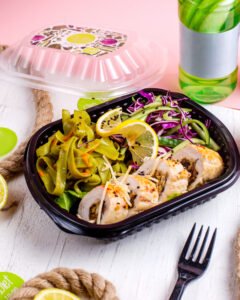
- After the “Creating an Anti-Bloating Meal Plan” section: A styled photo of a sample anti-bloating meal
- Near the conclusion: A lifestyle image of someone enjoying one of the anti-bloating superfoods