Why Meal Prep Changed My Kitchen Game
Have you ever stared into your fridge at 6 PM, exhausted from work, with no idea what to eat? I’ve been there too! When I first heard about meal prepping, I pictured bodybuilders with endless containers of bland chicken, broccoli, and rice. But meal prepping isn’t just for fitness enthusiasts—it’s for anyone who wants to eat better, save money, and reduce weekday stress.
A few years ago, I found myself ordering takeout almost every night because cooking after work felt overwhelming. My wallet was suffering, and so was my health. That’s when I decided to try meal prepping, and it transformed how I approach food. Now, I spend just a few hours on weekends prepping ingredients and meals, which gives me back precious time on weeknights while ensuring I eat delicious, homemade food.
In this guide, I’ll walk you through everything you need to know about meal prepping as a complete beginner—no fancy equipment or culinary degree required!
What Is Meal Prepping and Why Should You Start?
What Exactly Is Meal Prepping?
Meal prepping means preparing meals or ingredients ahead of time to make cooking easier throughout the week. It doesn’t always mean cooking complete meals—it can be as simple as washing and chopping vegetables or cooking a batch of rice to use in different dishes.
The Life-Changing Benefits of Meal Prepping
- Saves time during busy weekdays when you’re tired and stressed
- Reduces food waste by planning exactly what you’ll eat
- Saves money by limiting impulse takeout orders and grocery purchases
- Supports healthier eating by making nutritious options readily available
- Reduces decision fatigue by eliminating the “what’s for dinner?” question
How to Start Meal Prepping: A Step-by-Step Approach
First, Let’s Talk About Grocery Shopping Strategy
Before you even think about cooking, successful meal prep starts at the grocery store. Let me share some game-changing grocery shopping strategies that have made my meal prepping journey much smoother.
What to Avoid at the Grocery Store
Unless you’re incredibly busy or have physical limitations that make food preparation difficult, try to avoid pre-chopped vegetables and pre-sliced ingredients. These convenience items cost significantly more and often spoil faster than whole produce.
I recommend buying whole fruits and vegetables for three important reasons:
- It teaches you valuable food preparation skills
- It’s much more budget-friendly, especially with today’s rising food prices
- Whole produce typically lasts longer in your refrigerator
Of course, if you have a disability, health condition, or extremely limited time that makes chopping difficult, pre-prepared ingredients are perfectly fine! Do what works for your lifestyle.
The 5-4-3-2-1 Shopping Method
One approach that has revolutionized my grocery shopping is the 5-4-3-2-1 method. Here’s how it works:
5: Five Fruits and Vegetables Fill your cart with at least five different fruits and vegetables. These will form the nutritious foundation of your meals. Don’t forget that frozen and canned options count too! Frozen vegetables often retain more nutrients than fresh ones that have been sitting on shelves.
4: Four Protein Sources. Choose four proteins you enjoy eating. These might include:
- Chicken breasts
- Ground turkey
- Salmon
- Tuna
- Plant-based options like tofu, tempeh, or legumes
3: Three Carbohydrate Sources Select three carbohydrate sources that you enjoy. Some good choices include:
- Brown rice
- Potatoes or sweet potatoes
- Beans or legumes
- Whole grain pasta
- Quinoa
- Oatmeal
2: Two Healthy Fats Include two sources of healthy fats, such as:
- Olive oil
- Avocados
- Nuts and seeds
- Cheese
1: One Treat Choose one treat or indulgence that you love. This might be dark chocolate, ice cream, or your favorite snack. Including a small indulgence helps prevent feeling deprived.
Smart Protein Purchasing Strategy
One of my most effective money-saving meal prep tricks is buying proteins in bulk and freezing them in meal-sized portions. Here’s how:
- Purchase larger packages of meat when they’re on sale
- Separate into meal-sized portions (like 1-pound packages)
- Wrap properly in freezer-safe containers or bags
- Label with the date
- Freeze for future use
This approach means you’ll only need to buy meat a few times a year, which saves both money and shopping time.
Setting Up Your Meal Prep Session
H3: Essential Tools for Beginner Meal Preppers
You don’t need fancy equipment to start meal prepping, but a few basic items will make the process much easier:
| Tool | Purpose |
| Food storage containers | For storing prepared meals and ingredients |
| Sharp knife | For efficient cutting and chopping |
| Cutting board | For safe food preparation |
| Sheet pans | For roasting multiple vegetables at once |
| Large saucepan or pot | For cooking grains, soups, or stews |
| Measuring cups and spoons | For following the recipes accurately |
Planning Your First Meal Prep Session
Step 1: Check Your Calendar. Look at your upcoming week and identify which days you’ll need prepared meals. Don’t plan meals for nights when you know you’ll be eating out or might want to takeout.
Step 2: Shop Your Kitchen First. Before heading to the grocery store, check what ingredients you already have. This prevents buying duplicates and helps reduce food waste.
Step 3: Choose a Simple Recipe. For your first meal prep session, stick to straightforward recipes with overlapping ingredients. This makes preparation more efficient.
Step 4: Make a Shopping List. Create a detailed shopping list organized by grocery store sections (produce, meats, dairy, etc.) to make shopping quicker.
Step 5: Set Aside Dedicated Prep Time Block 2-3 hours on your calendar for your meal prep session. Having dedicated time means you won’t feel rushed.
Different Approaches to Meal Prepping
There’s no one-size-fits-all approach to meal prepping. Here are three common methods to consider:
Complete Meal Prep
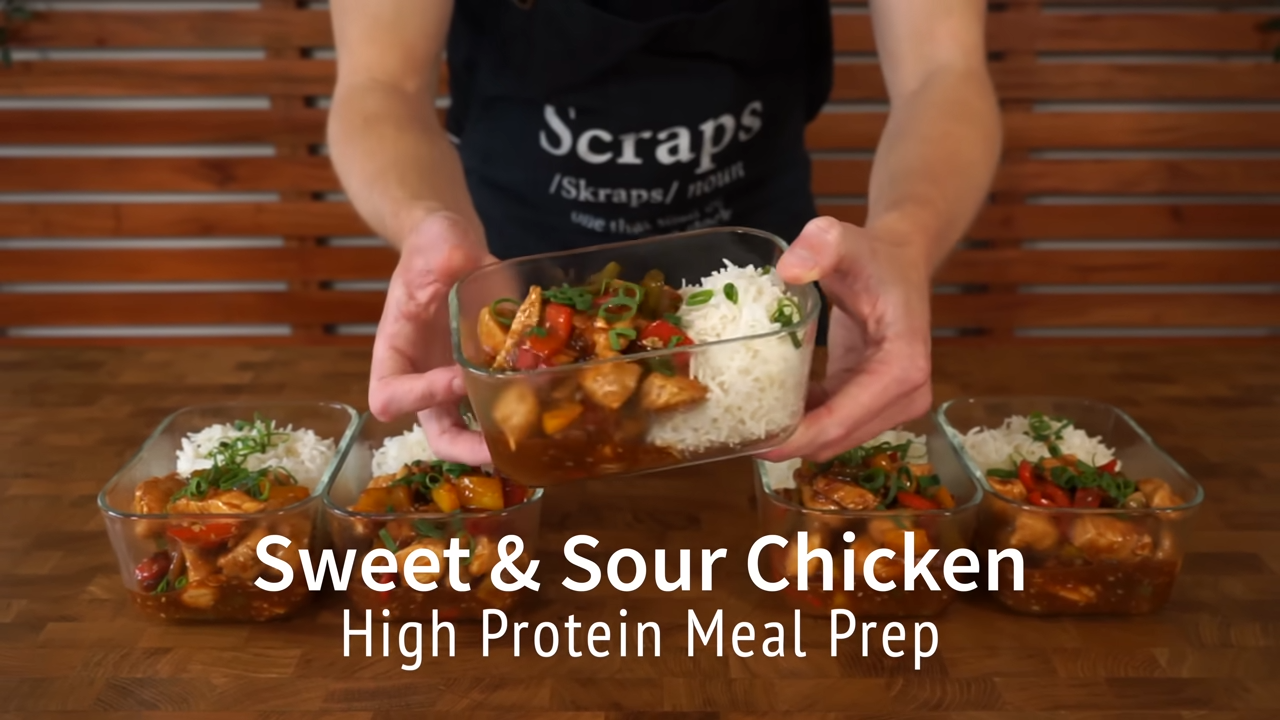
This involves preparing full meals in advance and portioning them into containers. When mealtime arrives, you simply reheat and eat. This method works well for lunches or for people with very limited time on weekdays.
Batch Cooking
With this approach, you prepare large quantities of specific components (like a pot of chili or batch of roasted vegetables) that can be used in various ways throughout the week. This offers more flexibility while still saving prep time.
Ingredient Prep
This method focuses on washing, chopping, and preparing individual ingredients rather than complete meals. You might chop all your vegetables, cook a batch of rice, and prepare protein, then assemble fresh meals each day. This approach offers the most flexibility and keeps meals tasting fresher.
Step-by-Step First Meal Prep Session
Let’s walk through a simple meal prep session for beginners:
- Preheat your oven to 400°F for roasting vegetables
- Start cooking grains (like rice or quinoa) as they often take the longest
- Season and start cooking proteins (chicken in the oven, ground turkey on the stovetop)
- Prepare vegetables for roasting by washing, chopping, and seasoning them
- Roast vegetables while other components are cooking
- Prepare any sauces or dressings while waiting for everything to finish cooking
- Let everything cool before storage (this prevents condensation in containers)
- Portion meals or store components in air-tight containers
- Label containers with contents and dates
- Store properly in refrigerator (for 3-4 days) or freezer (for longer storage)
Beginner-Friendly Meal Prep Ideas
Simple Make-Ahead Breakfast Options
Mornings are often rushed, making breakfast an excellent meal to prep in advance:
- Overnight oats: Combine oats, milk, yogurt, and toppings in jars for grab-and-go breakfasts
- Egg muffins: Whisk eggs with vegetables and bake in muffin tins for protein-packed breakfast bites
- Breakfast burritos: Assemble and freeze for quick microwavable breakfasts
- Smoothie packs: Portion smoothie ingredients in freezer bags—just add liquid and blend
Lunch Ideas Perfect for Meal Prepping
These lunches hold up well for several days in the refrigerator:
- Grain bowls: Combine a grain base with protein, vegetables, and sauce
- Mason jar salads: Layer dressing on the bottom, hearty ingredients in the middle, and greens on top
- Wraps and sandwiches: Prepare components separately and assemble the day of eating
- Soup and chili: Make a large batch that tastes even better after a day or two
Dinner Options That Reheat Well
Not all foods maintain their quality when reheated. These dinner options stay delicious:
- Casseroles: Pasta bakes, enchiladas, and other casseroles often taste better the next day
- Stir-fries: Quick to make and reheat well when stored properly
- Sheet pan meals: Roasted protein with vegetables makes simple, complete meals
- Stews and curries: Flavors develop and improve over a few days
Smart Storage Solutions
Proper storage is crucial for maintaining food quality and safety:
Refrigerator Storage (3-4 days):
- Use airtight containers to maintain freshness
- Store salads and dressings separately until ready to eat
- Keep cooked proteins and prepared vegetables in separate containers if using the ingredient prep method
Freezer Storage (1-3 months):
- Use freezer-safe containers or bags
- Remove as much air as possible before sealing
- Label with contents and date
- Portion into individual servings for easier defrosting
Tips for Meal Prep Success
Avoiding Common Beginner Mistakes
Mistake #1: Trying to prep too many meals at once. Start with just 2-3 days of meals until you get comfortable with the process.
Mistake #2: Making only one type of mea.l Even the most delicious meal gets boring by day four. Prep at least two different meal options.
Mistake #3: Not considering food safet.y Some foods don’t maintain quality for a full week. Plan accordingly and freeze portions as needed.
Mistake #4: Choosing complicated recipes. Start with simple recipes and techniques before attempting more complex meals.
Making Your Meals More Interesting
No one wants to eat the same boring food every day. Here’s how to keep meals exciting:
- Use versatile bases: Prepare neutral proteins and grains that can be paired with different sauces and seasonings
- Invest in spices and sauces: Different seasonings can transform the same ingredients into entirely new meals
- Play with textures: Add crunchy elements (like nuts or fresh vegetables) right before eating
- Incorporate different cooking methods: Roast some vegetables, steam others, and leave some raw for variety
How to Adapt When Plans Change
Life doesn’t always go according to plan. Here’s how to be flexible with your meal prep:
- Freeze portions if you unexpectedly need to eat out
- Keep some emergency backup meals in the freezer
- Learn which foods can last an extra day or two if needed
- Repurpose leftovers into new meals (like turning roasted chicken into chicken salad)
FAQ: Common Meal Prep Questions
How long does meal-prepped food stay good?
Most properly stored meal prep will last 3-4 days in the refrigerator. Some items, like soups and stews, might last up to 5 days. When in doubt, use your senses—if something smells off or looks unappetizing, don’t risk it.
For longer storage, freeze portions in airtight containers for 1-3 months.
Do I need special containers?
While you don’t need expensive containers, investing in quality food storage is worthwhile. Look for:
- BPA-free plastic or glass containers
- Airtight seals to maintain freshness
- Microwave-safe materials if you’ll be reheating
- Freezer-safe options if you plan to freeze meals
You can start with inexpensive options like reusable Ziploc containers and upgrade as needed.
Won’t meal-prepped food get boring?
Not if you plan properly! The key is variety and proper seasoning. Prepare different meals each week, use various spices and sauces, and don’t be afraid to mix and match components for new combinations.
What if I don’t want to eat the same thing every day?
You don’t have to! Consider these approaches:
- Prep ingredients rather than full meals, and assemble differently each day
- Prepare 2-3 different meals and alternate them
- Freeze portions and rotate meals from different prep sessions
- Designate certain days as “fresh cooking” days
Getting Started: Your First Meal Prep Plan
A Simple 3-Day Meal Prep Plan for Absolute Beginners
Here’s a straightforward plan to get you started with meal prepping:
Prep These Components:
- Roasted chicken breasts
- Cooked brown rice
- Roasted sweet potatoes
- Roasted broccoli
- Simple salad mix
- Basic vinaigrette dressing
Turn Them Into These Meals:
- Chicken rice bowl: Chicken, rice, roasted vegetables, and sauce
- Chicken salad: Salad mix, sliced chicken, and vinaigrette
- Sweet potato chicken plate: Chicken with sweet potatoes and broccoli
By prepping just a few versatile components, you can create different meals throughout the week without getting bored.
Conclusion: Your Meal Prep Journey Begins
Meal prepping isn’t about perfection—it’s about making your life easier and your eating habits healthier. Start small, be flexible, and adjust your approach as you learn what works for your lifestyle.
Remember that any meal prep, even if it’s just chopping vegetables or cooking a batch of rice on Sunday, will make your weekday meals easier. You don’t have to prep every single meal to benefit from this practice.
I hope this guide has shown you that meal prepping doesn’t have to be intimidating or time-consuming. With some simple planning and a few hours of preparation, you can transform your weekday meals from stressful to streamlined.
Why not start this weekend? Pick just one or two meals to prep, and experience for yourself how good it feels to open your refrigerator and find delicious, healthy food ready to enjoy!
Are you already a meal prepper? Share your favorite tips and recipes in the comments below!