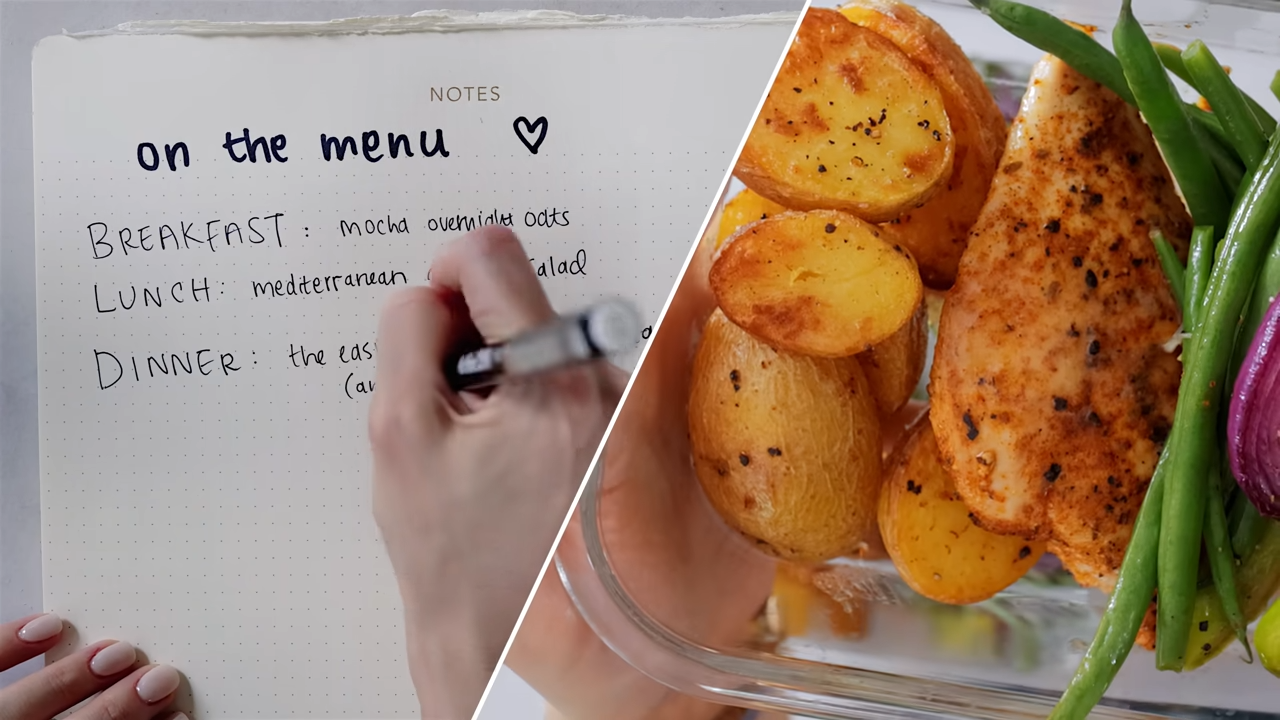
Have you ever found yourself standing in the kitchen at 6 PM, exhausted after a long day, with hungry children asking what’s for dinner? I discovered the magic of meal prepping when my daughters and I were stuck in an endless cycle of takeout and last-minute cooking scrambles. Now, our monthly freezer meal prep sessions have transformed our weeknight dinner routine from chaotic to calm.
Why Family Meal Prep Will Change Your Life
Meal prepping isn’t just for fitness enthusiasts or health gurus—it’s a game-changing strategy for families juggling busy schedules, picky eaters, and budget constraints. When I started dedicating just one hour each week to meal preparation, I noticed immediate benefits: less stress during weeknight dinners, healthier eating habits for the whole family, and significant savings on our grocery bill.
Family meal prep allows you to:
- Save precious time during hectic weeknights
- Reduce food waste by planning your ingredients carefully
- Cut your grocery budget by buying in bulk and avoiding impulse purchases
- Ensure your family enjoys nutritious, home-cooked meals even on the busiest days
- Decrease reliance on takeout and processed convenience foods
Getting Started: Essential Meal Prep Equipment
Before diving into meal prepping, gathering the right tools will make the process much more efficient.
| Essential Equipment | Purpose |
| Glass storage containers | For storing prepped meals (oven-safe options are best) |
| Silicone molds | Perfect for freezing portions of coconut milk, broths, etc. |
| Quality cutting boards | Separate ones for meat and vegetables to prevent cross-contamination |
| Sharp chef’s knife | Makes chopping vegetables and meat much faster |
| Slow cooker or Instant Pot | For hands-off cooking while you prep other items |
| Air fryer (optional) | Great for cooking bacon, reheating meals, and more |
| Sheet pans | Perfect for roasting multiple ingredients at once |
| Freezer bags | For storing smoothie packs and other frozen items |
10 Time-Saving Family Meal Prep Strategies
1. Schedule a Monthly Freezer Meal Session
Taking one day each month to prepare freezer meals can save countless hours during weeknights. Focus on recipes that freeze well, like casseroles, soups, and marinated proteins.
“I dedicate one Sunday each month to making freezer meals. My daughters now look forward to our ‘kitchen day’ when we prep together while listening to music.” – A meal prep mom
Try starting with:
- Egg bakes with vegetables and cheese
- Marinated chicken for quick defrosting
- Breakfast burritos or muffins
- Homemade pasta sauce in portion-sized containers
2. Create Ready-to-Blend Smoothie Packs
[Image suggestion: Freezer bags filled with colorful fruit and labeled with contents]
Breakfast is often the most rushed meal of the day. Prepare smoothie packs by combining frozen fruits, vegetables, and add-ins like chia seeds in freezer bags. In the morning, simply empty a pack into your blender, add liquid, and blend.
For a family-friendly version:
- Place 1 cup frozen mango chunks in a freezer bag
- Add half a sliced banana and 2-3 coconut milk ice cubes
- Optional: Add a teaspoon of vanilla extract and natural sweetener
- Freeze flat for easy storage
- Label with contents and date
3. Batch Cook Proteins
Cooking proteins in large batches will give you a versatile foundation for multiple meals.
Try these family-friendly protein options:
- Roast a whole chicken to use in salads, sandwiches, and casseroles
- Brown ground beef with basic seasonings for tacos, pasta, or rice bowls
- Cook bacon in your air fryer for a quick addition to breakfasts and sandwiches
- Grill several chicken breasts with simple seasonings that work in various cuisines
4. Prep Breakfast in Advance
Mornings are hectic for most families. Having breakfast prepared in advance ensures everyone starts the day with proper nutrition.
Popular make-ahead breakfast options:
- Egg bakes with sausage, vegetables, and cheese (portion and freeze)
- Baked oatmeal with strawberries and maple syrup
- Protein-packed blueberry muffins
- Overnight chia pudding with fruit and nuts
5. Chop Once, Use Twice
Spend one hour at the beginning of the week washing and chopping vegetables that can be used in multiple dishes.
For example:
- Diced bell peppers for omelets, stir-fries, and snacks
- Chopped onions for casseroles, soups, and sautéed dishes
- Sliced carrots for roasting, snacking, and adding to stews
- Washed and dried lettuce for quick salads
Store prepped vegetables in glass containers with paper towels to absorb excess moisture and extend freshness.
6. Make Freezer-Friendly Breakfast Items
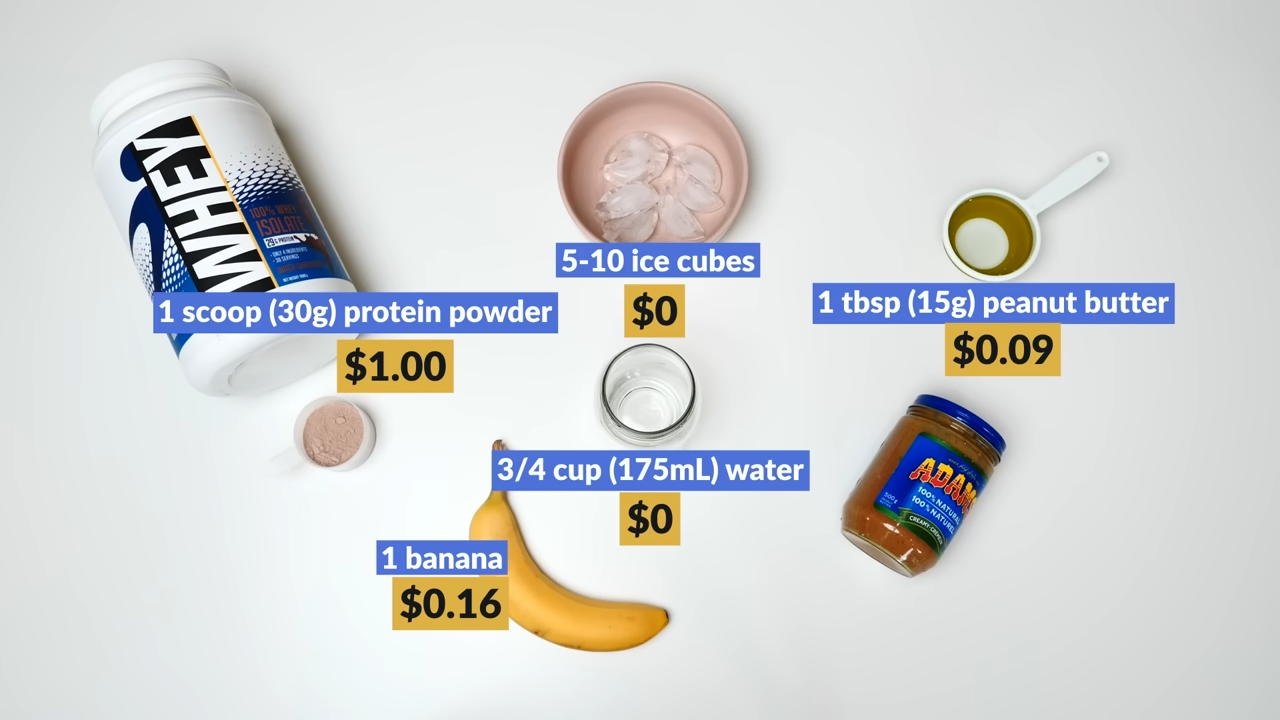
Create a stash of breakfast items that can be quickly reheated:
- Make a double batch of pancakes or waffles
- Allow them to cool completely
- Place wax paper between each item
- Store in freezer bags
- Reheat in a toaster or air fryer for a quick breakfast
7. Prepare Homemade Sauce and Dressing Bases
Making flavorful sauces and dressings ahead of time adds instant flavor to simple meals:
- Citrus vinaigrette for salads and marinades
- Homemade taco seasoning blend
- Basic tomato sauce for pasta or pizza
- Herb-infused olive oil for quick flavor
Store these in glass jars in the refrigerator for up to a week.
8. Assemble Sheet Pan Dinners in Advance
Sheet pan meals are perfect for busy weeknights:
- Combine protein (chicken, sausage, tofu) with chopped vegetables
- Add olive oil and seasonings
- Store in a container or bag in the refrigerator
- When ready to cook, spread on a sheet pan and bake
Keep ingredients with similar cooking times together to ensure everything cooks evenly.
9. Create DIY Snack Boxes
Prepare grab-and-go snack boxes for the week:
- Cheese cubes or string cheese
- Cut vegetables like carrots, celery, and bell peppers
- Whole grain crackers
- Hummus or yogurt dip
- Fresh fruit
- A small treat like dark chocolate chips
These snack boxes help manage hunger between meals and work great for school lunches too.
10. Implement the “Cook Once, Eat Twice” Method
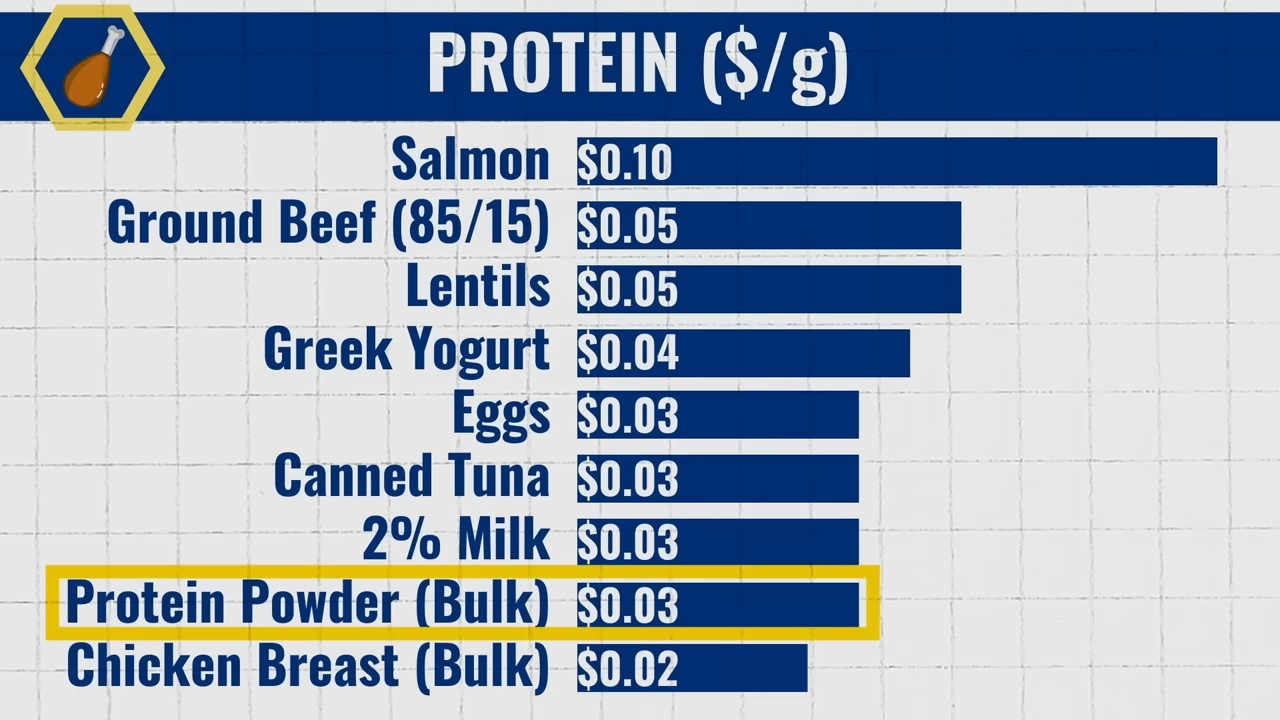
When cooking dinner, make double portions and transform the leftovers into a completely different meal the next day:
Example:
- Monday: Roast chicken with vegetables
- Tuesday: Use leftover chicken for enchiladas or chicken salad
Sample 5-Day Family Meal Prep Plan
Here’s a practical 5-day plan that requires just 90 minutes of prep on Sunday:
Sunday Prep (90 minutes):
- Roast seasoned chicken thighs with garlic and oregano (30 minutes)
- Cook a pound of whole wheat pasta al dente (15 minutes)
- Sauté peppers and onions (15 minutes while pasta cooks)
- Assemble smoothie packs for breakfasts (10 minutes)
- Build a chicken enchilada casserole for Wednesday (15 minutes)
- Make a batch of citrus salad dressing (5 minutes)
Monday:
- Breakfast: Smoothie packs
- Dinner: Cheese quesadillas with pre-prepped peppers and onions + citrus slaw
Tuesday:
- Breakfast: Yogurt with fruit and granola
- Dinner: One-pot pasta with chicken sausage, spinach and feta using pre-cooked pasta
Wednesday:
- Breakfast: Smoothie packs
- Dinner: Pre-assembled chicken enchilada casserole (just heat and serve)
Thursday:
- Breakfast: Toast with nut butter and fruit
- Dinner: Philly cheesesteak sloppy joes using pre-prepped peppers and onions
Friday:
- Breakfast: Breakfast burritos from the freezer
- Dinner: Slow cooker soup (assemble in the morning using frozen pre-chopped vegetables)
Common Family Meal Prep Mistakes to Avoid
| Mistake | Solution |
| Planning too many complex recipes | Start with 2-3 prep items and gradually increase |
| Not considering family preferences | Involve family members in planning and preparation |
| Prepping foods that don’t store well | Research which foods maintain quality when stored |
| Forgetting to label and date items | Use a permanent marker or labels on all containers |
| Trying to prep too far in advance | Most prepped foods stay fresh for 3-5 days maximum |
Making Meal Prep Fun for the Whole Family
Getting children involved in meal preparation teaches valuable life skills and often makes them more willing to try new foods. Here are some age-appropriate tasks:
- Young children (3-5): Washing produce, tearing lettuce, stirring ingredients
- Elementary age (6-10): Measuring ingredients, cracking eggs, assembling simple dishes
- Tweens and teens (11+): Chopping vegetables (with supervision), operating appliances, planning menus
Make it enjoyable by playing music, sharing stories, or turning it into a cooking show where everyone takes turns being the “host.”
Frequently Asked Questions About Family Meal Prep
How long do most meal prepped foods last in the refrigerator?
Most prepared meals last 3-5 days in the refrigerator. Items with seafood should be consumed within 2 days for best quality and safety.
Can I freeze all meal prep items?
Not all foods freeze well. Avoid freezing items with high water content like cucumber or lettuce, cream-based sauces that may separate, and cooked pasta (unless it’s in a sauce).
What if my family doesn’t like eating the same thing multiple days in a row?
Instead of preparing complete meals, prep components that can be mixed and matched throughout the week—cooked proteins, roasted vegetables, cooked grains, and various sauces.
How do I handle picky eaters?
Create a “build-your-own” meal system where family members can customize their plates while using the same prepped ingredients. This works well for bowls, tacos, and pasta dishes.
Simple Swaps for Dietary Needs
Many families have members with different dietary requirements. Here are some simple swaps to accommodate various needs:
- Gluten-Free: Use gluten-free pasta, rice, or quinoa instead of wheat-based products
- Dairy-Free: Substitute coconut milk, almond milk, or oat milk for dairy; use nutritional yeast instead of cheese for flavor
- Vegetarian/Vegan: Replace meat with beans, lentils, tofu, or tempeh; use flax eggs in baking
- Low-Carb: Substitute cauliflower rice for regular rice; use lettuce wraps instead of tortillas
Conclusion: Your Journey to Stress-Free Family Meals
Starting a family meal prep routine doesn’t have to be overwhelming. Begin with just one or two strategies from this guide, and gradually build your repertoire as you discover what works best for your family’s schedule and preferences.
Remember that the goal isn’t perfection—it’s making healthy eating more accessible during busy weeks. Even preparing a few components ahead of time can significantly reduce weeknight stress and improve your family’s nutrition.
What meal prep strategy will you try first? Share your experience in the comments below!
